

Things you need to know about nutrition as you age
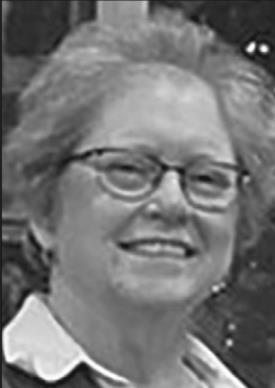
Pecos County Senior Celebration was held on May 6 at the Large Community Hall honoring our seniors with workshops, guest speakers, exhibitors, a meal, information, and awards. The event was sponsored by Texas A&M AgriLife Extension, TEEA, Saint Joseph Home Health, Pecos County State Bank, and Fort Stockton Insurance.
The event was informative, and honored our seniors. Award winners were Incredible Senior Alice Duerksen; Centenarian Award Calistra Valenzuela; Outstanding Senior Professional Tilon Murphy, and Outstanding Senior Volunteer Miriam Forgacs. Here are some things to keep in mind as you get closer to the golden years:
Eat light, frequent meals. Eating often throughout the day promotes energy, reduces fatigue, and improves mood. Keeping meals small and blood-sugar levels stable by eating consistently may also reduce the risk of overeating.
Add protein to every meal and snack. As you age, protein is even more important. The body relies on amino acids found in protein foods as a trigger for muscle building. We all know metabolism slows as we age, but that’s mostly due to the breakdown and loss of muscle. Getting enough amino acids in the diet, specifically leucine, has also been linked to lower bodyfat percentages. Protein also helps promote bone health and decreases risk for bone fractures.
Reduce refined sugars. Rid the diet of processed sugars and refined carbohydrates, especially soda and other sugary drinks. A high sugar diet has been linked to poor bone mineral density and weight gain.
Fill up on fiber. Fiber promotes regularity, which often decreases with age. This puts the body at risk for diverticular disease, a condition where pouches called diverticula develop within your colon walls and can become inflamed. Reach for fiber-rich beans, raspberries, pears, apples, whole grains, nuts and seeds.
Eat more fish. Fish and seafood are highquality protein foods that should be included in the diet at least 2–3 times per week. Fatty fish help with reducing inflammation, arthritis, heart disease, strokes, bone loss, mood issues, and memory disorders.
Adjust portion sizes. Calories need to be adjusted to prevent weight gain because our metabolism slows down with age, and we’re also more likely to be sedentary. Eating smaller portion sizes helps shave calories to adjust for a decreased level of physical activity, both in intensity and duration, as we age.
Reduce blood pressure with potassium. We commonly link high sodium in the diet with heart issues, but have you ever thought about potassium? Increasing potassium-rich foods can help reduce blood pressure and stroke risk.
Hydrate right. Make a habit to start the day with a tall glass of water, and drink plenty throughout the day. Medications may interfere with our ability to feel thirsty, making it easier to become dehydrated.
Build up your immunity. Enjoy a strong and vibrant life by keeping the immune system in shape. Immunity does weaken with age so you’re less able to fight off the common cold or flu. Some scientists conclude that seniors are more vulnerable due to decreased production of the cells that fight off infection. Take extra precautions to stay healthy by eating an antioxidant-rich diet high in colorful fruits and vegetables, specifically those that contain vitamins A and C, and zinc.
Add flavor with herbs. Senses are less sharp with age. Reduced taste acuity and smell can make it challenging to make food flavorful. Instead of turning to the salt shaker, season foods with herbs and spices.
Start blending. If it’s harder to chew through tough meats, or you just don’t feel like cooking an elaborate dinner, add soups and smoothies to your diet.
Support your bones. Calcium is commonly a diet shortfall. At age 50, the Recommended Dietary Allowance for this mineral increases to 1,200 mg/day because shortages are linked to brittle bones. Dairy is a major source of calcium in the American diet. Instead of turning to lactose-rich sources like milk, try dairy products with less lactose such as cheese and yogurt.
Get a daily dose of sunshine. Getting outdoors does the body good on many levels. Sunlight helps the body make vitamin D, improves mood by boosting serotonin in the brain, and regulates circadian rhythms to promote healthy sleep habits. After age 70, the RDA for vitamin D increases to 800 IU per day.
If you have any questions or would like to share some of your tips for working and living in Pecos County with our readers, call me at the Pecos County AgriLife Extension Services, 432-336-2541.
